
information
Aetnavalidation and the Power of Identity
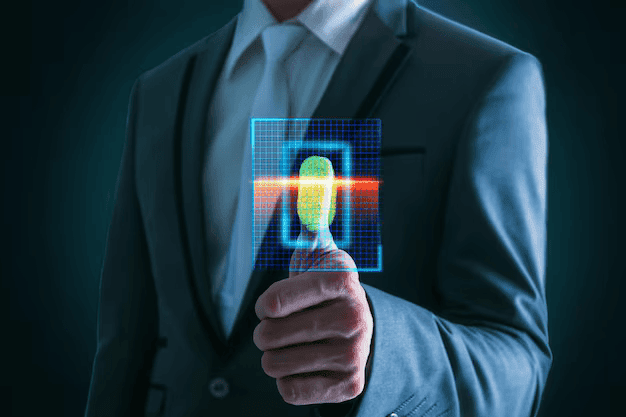
Aetnavalidation is, and will continue to be, at the core of human engagement. From the origins of society, humans needed to identify one another, establish trust between one another, and validate the sense of belonging. In the contemporary world this need for validation has manifested to the degree that identification can reside entirely in the digital realm, especially in personal and professional encounters that occur without any physical, face-to-face interaction. The need for secure and reliable verification of identity is one of this era’s most significant challenges and represents a convergence of the use of advanced technology to satisfy a fundamental and eternal need of human trust and validation.
The Meaning of Aetnavalidation
At its core, Aetnavalidation represents more than just identity validation. It is a contemporary system of digital trust – an ecosystem where security, privacy and adaptability intersect. Aetnavalidation signifies a digital-first system of validation as opposed to a traditional validation system which oversaw and relied heavily on physical in-person documents (e.g., passports, ID cards). Aetnavalidation indicates a world where identity is fluid, encrypted and able to traverse platforms without losing authenticity.
The power of the term is that it indicates “validation” (the assurance that something is genuine) and the other half “Aetna”, which conveys depth, strength and foundation. Together, Aetnavalidation illustrates a validation that aims not simply to secure, but to also to empower.
The Importance of Identity Today
Traditionally, identity was relatively straightforward: you had a name, a birthplace, and the government issued official documentation. In the current global age connected by the internet, identities are no longer simple, they are complex. A person can have multiple professional, personal, and social identities on different platforms and can also interact socially with others in online environments where the person physically does not exist. This creates new opportunities and pitfalls.
Among the opportunities and pitfalls, global cybercrime, identity theft, and digital fraud have risen to a billion dollar products. In addition, trust in the digital ecosystem is declining as validation in the digital world is limited without strong validation. Aetnavalidation is the answer to this identity crisis—it is a robust and sophisticated system that will protect not just who we are, but also how we connect.
The Strength of Aetnavalidation
1. Security Through Encryption
Aetnavalidation is basically an encryption of identities so that they cannot be easily stolen or copied. This indicates layered security—dynamic rather than static; adaptive to the environment of identity theft as the context changes.
2. Trust Across Borders
Trust in an international digital economy must not only be globally accepted, but also serve as a mechanism that mediates trust across platforms, geographic regions, and industries to create assured results, irrespective of authenticity or provenance.
3. Personal Empowerment
Instead of being passively affected by their identification, Aetnavalidation suggests people will jointly feel empowered as they will be able to control their own digital self. With Aetnavalidation, people will become empowered and decide when, where, and how their identity is shared.
4. A Future Proof Framework
The corporate world works at speed and technology changes fast. Aetnavalidation is based on adaptability, innovatively confronted with new capabilities, including artificial intelligence, biometrics, and blockchain technologies.
Uses of Aetnavalidation
Banking & Finance: Real-time identity verification of the person involved in the transaction, to enable secure transactions and prevent fraud.
- Healthcare: Secure the data of patients through encrypted digital identities.
- Education: Verify learner legitimacy in remote study and certification.
- E-commerce: Verify both seller and buyer to develop user trust.
- Social platforms: Prevent user impersonation or specific fake accounts and reduce digital harassment.
Each use of identity validation shows that it is no longer a back office process, but the foundation of an interaction.
Obstacles to Overcome
A revolution without obstacles does not exist. Navigating systems such as Aetnavalidation involves the complete interplay of privacy and accessibility. Too much privacy can hinder usability; too little security creates systemic exposure. Furthermore, as in all revolutionary endeavors, there is the challenge of collaboration around the world—having countries and organizations coordinate efforts can ensure uniform standards that make the experience of digital validation easy.
Across history, every revolution has had resistance and challenges. The answer is constant innovation, and trust. Aetnavalidation is the response to those challenges.
The Future of Identity: Looking Ahead
The future will not be defined by technology alone, but rather how humanity interacts with technology. Aetnavalidation implies a digital future characterized by identity that is not fragile but potent, not limiting but freeing. A future where people can move fluidly from platform to platform with an assurance that their identities are safe and respected.
The potency of identity is built on trust, and Aetnavalidation is a step toward re-establishing, and fortifying trust in a world that often feels uncertain. Just like electricity powered the industrial age, and the internet powered the information age, identity validation is poised to power the digital age.
Frequently Asked Questions
Q1: What is Aetnavalidation?
Aetnavalidation is an idea that represents safe, flexible, and cryptographically secure forms of identity validation for the digital age.
Q2: Is Aetnavalidation a technology or an idea?
It is an idea represented both as an idea and potential framework for modern day digital validation systems.
Q3: Why is Aetnavalidation a good thing?
It addresses growing problems around cyber crime, identity theft, and digital fraud, and facilitates trust in digital engagement on a global scale.
Q4: Where can Aetnavalidation be applied?
In any area where secure identity is important – finance, health care, education, e-commerce and social.
Q5: Does Aetnavalidation protect privacy?
Yes. One of the central ideas is to allow individuals to control their digital identity, while ensuring the safety of their data.
Final Words
Aetnavalidation rising underscores how increasingly digital identity is becoming a part of our life. It indicates more than security-it indicates empowerment, flexibility, and trust in a connected world. As the next identity revolution increases, Aetnavalidation is at the forefront directing us towards a more secure and inclusive digital world.