
Food
The Journey Into The Beginnings Of Piçada
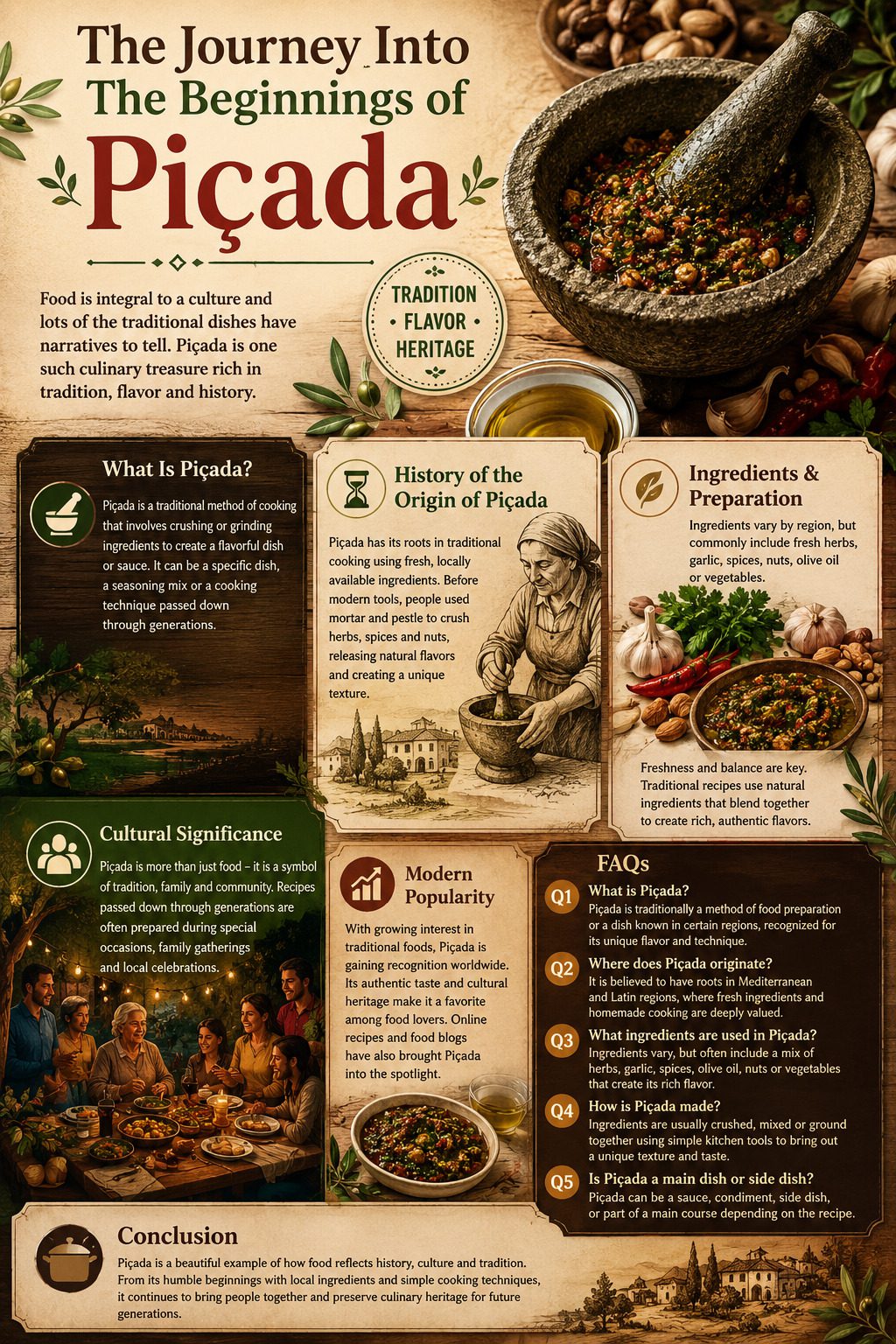
Although little known globally, Piçada is important to the populations who prepare and eat it. Food is integral to a culture and lots of the traditional dishes have narratives to tell. There are some culinary terms like Piçada which highlight local traditions, regional flavors and historical influences. By delving into the history, ingredients, and culinary significance of Piçada, one can gain a deeper understanding of the origins of this beloved delicacy.
What Is Piçada?
Piçada is a traditional method of cooking and is related to local cuisine. The term is commonly associated with the way ingredients are crushed or ground, or how they are mixed together, to make a flavorful dish or sauce. Piçada can be a specific dish, a seasoning mixture or a method of cooking the traditional way.
The dish is known for its delicious taste and minimal ingredients, making it a popular choice for home cooking and gatherings. Over the years, various areas have made various modifications to Piçada to meet their preferences and supply of ingredients.
History of the origin of Piçada
Piçada has its roots in traditional methods of cooking using fresh, locally available produce. Prior to the widespread use of modern kitchen appliances, people used to crush herbs, spices, nuts and other ingredients with mortar and pestle or hand tools. This process helped release the natural flavors and gave a unique texture.
Communities began to embrace their own cooking style and Piçada became a familiar component of the local cuisine. Many recipes were handed down from earlier generations, containing the methods of cooking and the cultural context of the dish.
Ingredients and Preparation
Another nice thing about Piçada is its usability. Ingredients are dependent on the region; common ones include herbs, garlic, spices, nuts, olive oil or vegetables. These ingredients are mixed and cooked together to make a tasty blend to add to various dishes.
Freshness and balance are stressed in the preparation process. The classic recipes emphasize natural ingredients that complement each other to create a full flavor and a delicious meal.
Cultural Significance
Piçada is more than just a food; it is a symbol of tradition, family and community. Many traditional foods represent a means of people coming together and maintaining culinary traditions. Recipes, which have family histories of several generations, are made and served on special days, during family time, and at local events.
Traditional food, such as the Piçada, continues to be popular, showing the need to sustain traditional foods in a modern world.
Modern Popularity
With an increasing interest in traditional foods, people want to experience the real thing. Piçada is a historical food with distinct flavors and cultural significance, cherished by food enthusiasts. The recipe craze of the internet has also helped get the dish into the mainstream.
FAQs
Q1 What is Piçada?
Piçada is traditionally a method of food preparation or a traditional dish that goes by a name in certain regions of the world. It’s more commonly recognized for its taste and special techniques.
Q2 Which is the origin of Piçada?
It is suggested that Piçada has its origins in areas with Mediterranean and Latin cuisines, where fresh ingredients and homemade cooking have long been a part of the culinary culture.
Q3 What are ingredients that are used in Piçada?
The ingredients differ from area to area, but they are frequently a blend of herbs, garlic, spices, olive oil, nuts or vegetables that give Piçada a rich flavor.
Q4 How is Piçada made?
Ingredients are normally simple kitchen items which are used to crush them together, either by mixing, or by grinding, to create a special texture and flavor.
Q5 Was Piçada a main course or a side course?
Piçada can be used as a sauce, condiment, side dish, or as a component of a main event based on the recipe.
Conclusion
Piçada is a very interesting case in which the history, culture and tradition are reflected in food. It’s a culinary tradition that dates back to basic cooking techniques and ingredients from the region, but it’s not just about the food. By exploring the origins of Piçada, we gain a deeper appreciation for the culinary traditions that continue to shape communities and preserve cultural identity.